


-

Add: HeBei ShengShi HongBang Cellulose Technology CO.,LTD.
-

Email
13180486930@163.com -

CONTACT US
+86 13180486930
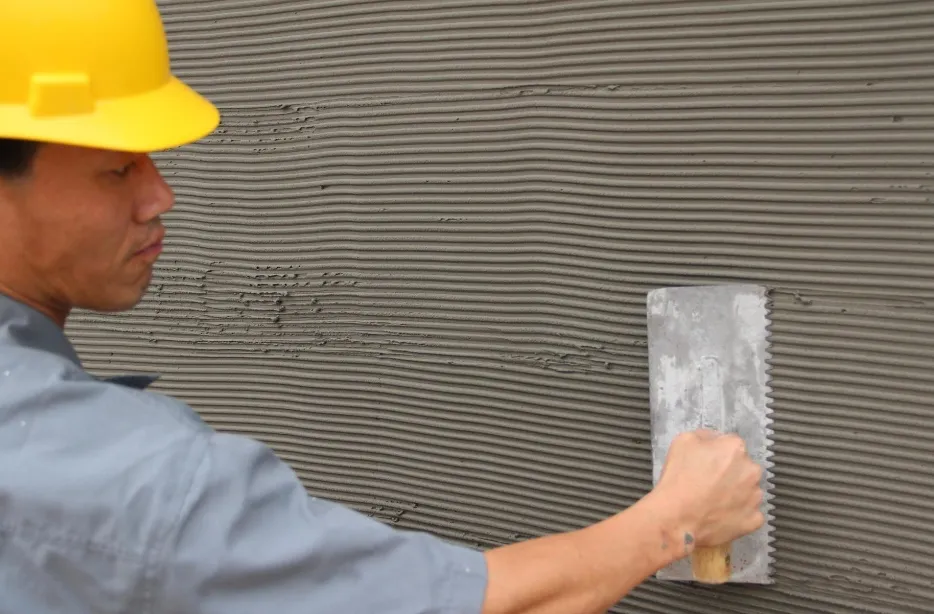
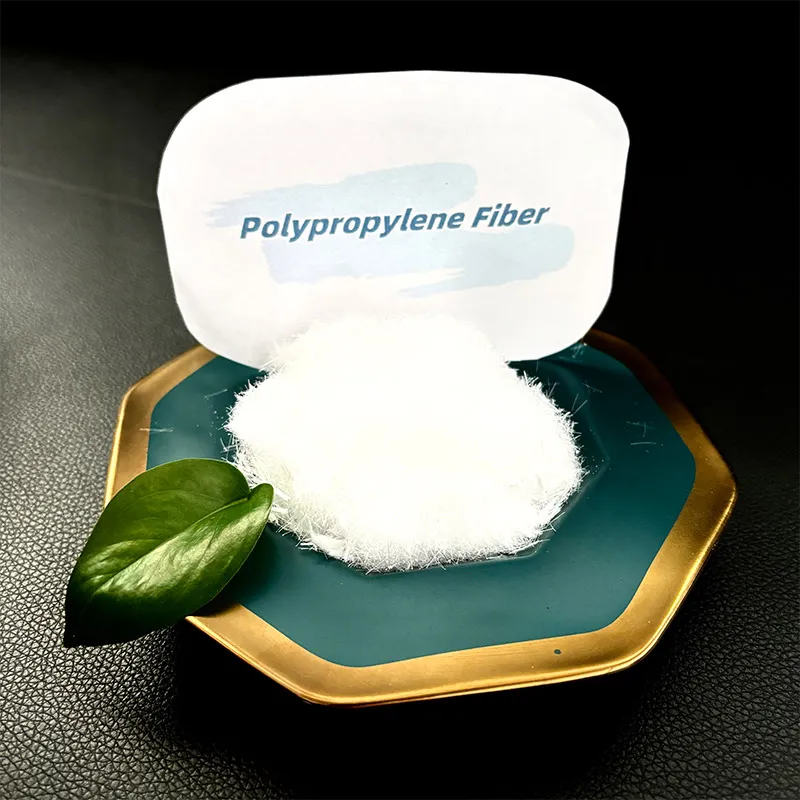
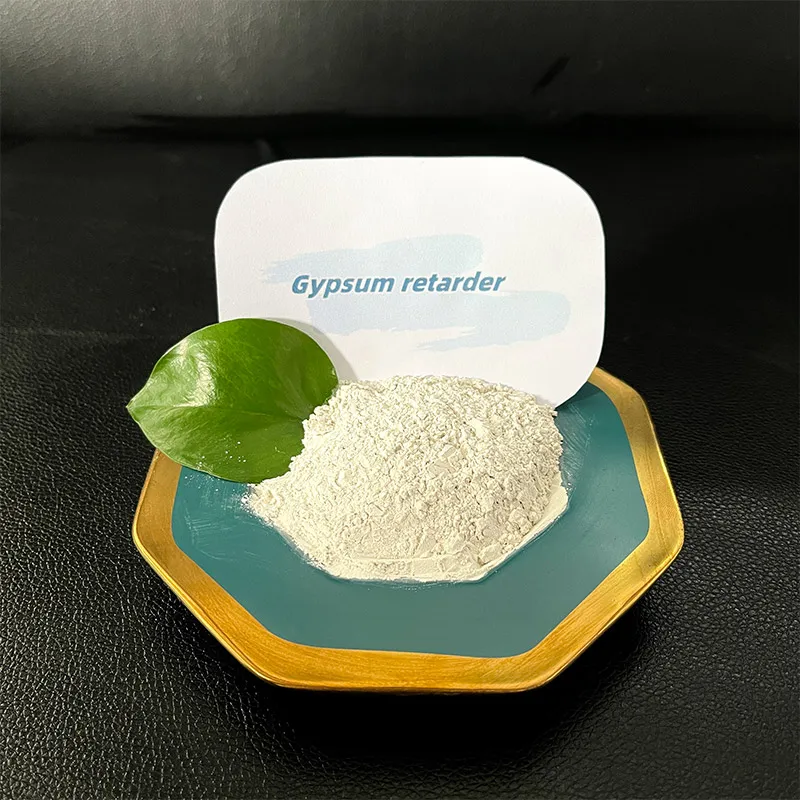


Raw Materials for Synthetic Fibers An Overview Synthetic fibers have become an integral part of our daily lives, shaping industries ranging from fashion to automotive. These fibers are made from raw materials that have transformed textiles, offering durability, versatility, and a range of functionalities. To understand the production of synthetic fibers, it is essential to explore the various raw materials involved, the processes of transforming these materials, and their impact on the textile industry and the environment. Types of Raw Materials The production of synthetic fibers primarily relies on petrochemical products derived from crude oil. The two most common types of synthetic fibers are polyesters and polyamides, which are produced from specific raw materials. 1. Polyester The most widely used synthetic fiber, polyester, is typically made from polyethylene terephthalate (PET). PET is synthesized from two key raw materials terephthalic acid and ethylene glycol. Both of these compounds originate from crude oil, undergoing processes such as polymerization to create polyesters. Known for its strength and resistance to stretching and shrinking, polyester has become a popular choice in clothing, home furnishings, and industrial applications. 2. Polyamide (Nylon) Another significant synthetic fiber is polyamide, commonly known as nylon. The production of nylon involves raw materials like hexamethylenediamine and adipic acid, which can also be sourced from petroleum or derived from renewable resources. Nylon fibers are prized for their exceptional elasticity, strength, and abrasion resistance, making them ideal for products such as hosiery, activewear, and ropes. 3. Acrylic Acrylic fibers, often used as a wool substitute, are manufactured from polyacrylonitrile (PAN). The raw materials for PAN typically include acrylonitrile, which is derived from propylene—another byproduct of oil refining. Acrylic fibers are lightweight, soft, and exhibit good color retention, providing a popular choice in blankets, sweaters, and textiles. The Production Process Once the raw materials are sourced, the production of synthetic fibers generally involves several key steps polymerization, spinning, and finishing. raw material for synthetic fibers - Polymerization This process involves chemically reacting the raw materials to form long chains of molecules, known as polymers. Depending on the desired characteristics of the final product, variations in the chemical process can be implemented to achieve specific attributes, such as thickness and flexibility. - Spinning After polymerization, the resulting polymers are melted down and extruded through spinnerets, which are devices that create filaments. As the molten polymer passes through tiny holes, it cools and solidifies to form fibers. This spinning process can be done using different techniques, such as dry, wet, or melt spinning, each resulting in different types of fiber characteristics. - Finishing The final step in fiber production involves finishing processes that enhance the fiber's performance characteristics. This might include dyeing, texturing, or applying treatments that improve properties like water resistance or flame retardance. Environmental Considerations While synthetic fibers have revolutionized the textile industry, their production poses significant environmental challenges. The extraction and processing of petrochemical raw materials contribute to carbon emissions, pollution, and reliance on fossil fuels. Furthermore, synthetic fibers are not biodegradable, resulting in long-lasting waste in landfills and oceans. To address these concerns, there is a growing movement towards sustainable practices in synthetic fiber production. Innovations in recycling technologies are enabling the repurposing of old synthetic garments into new fibers. Brands are also exploring bio-based alternatives, using renewable resources such as corn starch or sugarcane to produce synthetic fibers, thus reducing their environmental footprint. Conclusion The journey of synthetic fibers from raw materials to finished products is a complex interplay of chemistry, engineering, and environmental considerations. As demand for these materials continues to grow, it is vital to find a balance between industrial benefits and ecological sustainability. By prioritizing innovation and responsible sourcing, the future of synthetic fibers may pave the way for a more sustainable textile industry, combining functionality with environmental stewardship.
- 40000tons

Production
- 20+years

Experience
- 5000+㎡

Acreage

-
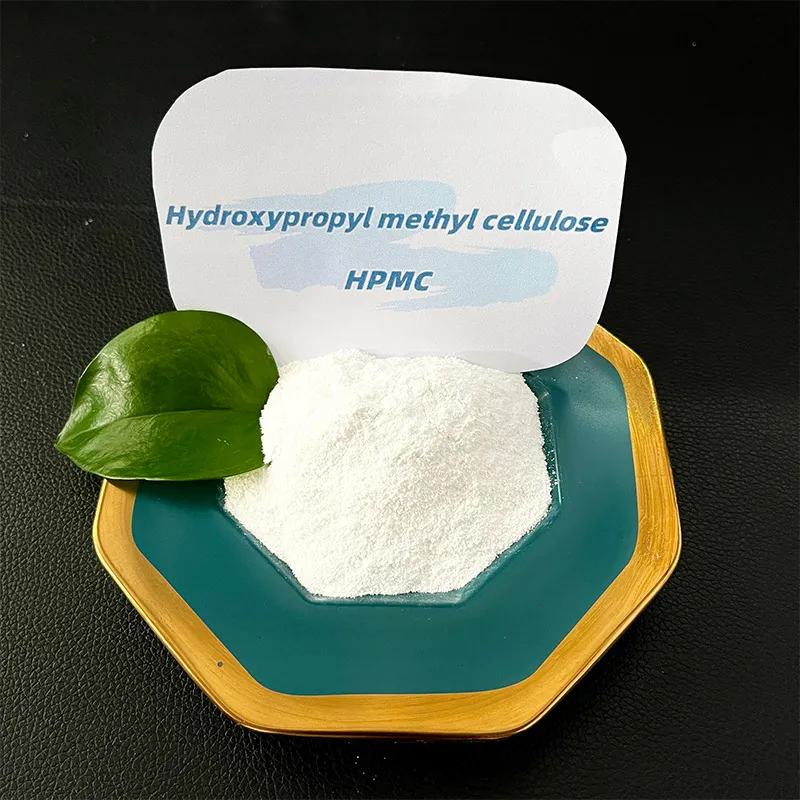
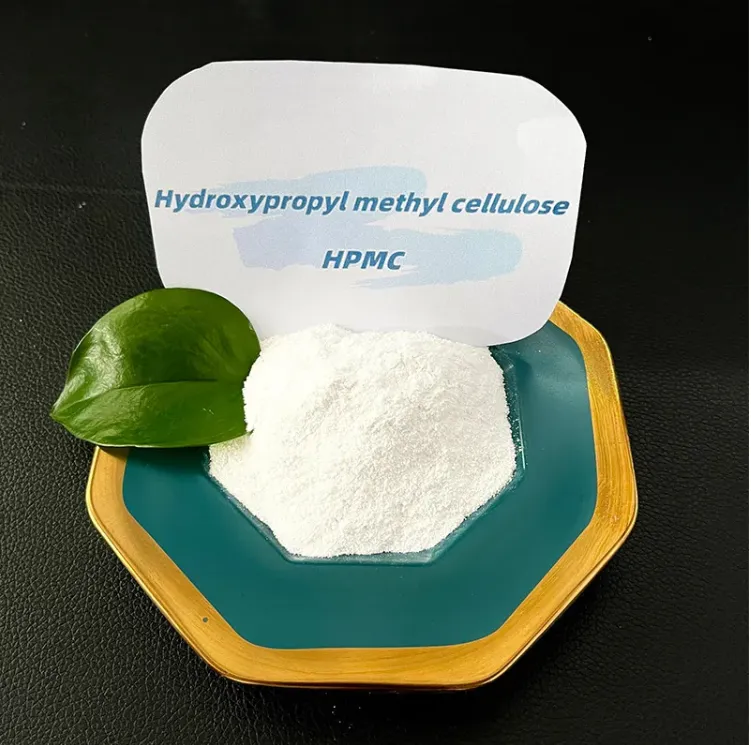
HPMC vegetable cellulose, a plant-derived compound, is revolutionizing the way industries approach product formulation. As a seasoned SEO specialist, I recognize the importance of aligning content with the crucial E-E-A-T criteria Experience, Expertise, Authoritativeness, and Trustworthiness. Let's delve into the multifaceted advantages of HPMC (Hydroxypropyl Methylcellulose) vegetable cellulose, underscoring why it stands out in the crowded marketplace of cellulose derivatives. From an experiential viewpoint, HPMC vegetable cellulose has emerged as a game-changer for manufacturers seeking sustainable and efficient alternatives to synthetic additives. Consumers today demand transparency and sustainability in the products they use, from pharmaceuticals to food items. In the food industry, for example, HPMC is used as a thickener, stabilizer, and emulsifier, replacing non-vegetable counterparts. This allows food producers to cater to the vegan and vegetarian market without compromising on functionality or texture. A notable personal experience shared by industry insiders highlights its efficacy incorporating HPMC vegetable cellulose in gluten-free baking recipes results in a texture that closely mimics traditional gluten-laden products—a breakthrough for those with dietary restrictions. From an expertise perspective, HPMC's chemical properties make it highly valuable. Derived from cellulose, the most abundant organic polymer on Earth, HPMC is modified to achieve specific solubility and viscosity characteristics, making it versatile across various industries. Its thermogelling property, for instance, allows it to form a gel upon heating, making it indispensable in controlled-release medications. Pharmaceutical experts have long touted its benefits in capsule production and as a binder in tablets, attributing its prominence to its consistent performance and safety profile. Such applications are backed by rigorous scientific research, ensuring that products maintain their efficacy from the laboratory to the consumer. Authoritativeness is crucial in the realm of product information. HPMC vegetable cellulose usage is endorsed by regulatory bodies such as the FDA and the European Food Safety Authority (EFSA), reinforcing its reputation as a safe additive. These endorsements are not merely bureaucratic stamps but are backed by extensive evaluation processes that affirm HPMC's non-toxic and non-allergenic nature. Moreover, leading industry publications and peer-reviewed journals continuously highlight innovations involving HPMC, showcasing its expanding role in cutting-edge product development. Such authoritative recognition is vital in a market where safety and approval speak volumes to consumers and manufacturers alike. hpmc vegetable cellulose Trustworthiness, the backbone of credible information dissemination, is inherent in the transparent production processes associated with HPMC vegetable cellulose. Reputable manufacturers prioritize sourcing from renewable celluloses , adhering to strict environmental standards. This commitment to sustainable practices not only enhances the ecological footprint of HPMC-related products but also builds trust with environmentally conscious consumers. Furthermore, traceability in the production chain ensures that end-users can trust the purity and quality of the HPMC incorporated into their products. Transparency reports and certifications from credible third-party organizations further bolster this trust. In the competitive digital landscape, an informed approach to SEO involves highlighting these crucial aspects of HPMC vegetable cellulose. Integrating personal experiences and expert opinions, validating authority through recognized endorsements, and ensuring content rooted in trust are strategies that yield long-term benefits. Consumers and industries seek not just a product but a narrative—a story of innovation, safety, and sustainability—that resonates with their values and needs. The distinctive features and advantages of HPMC vegetable cellulose underscore its growing prominence across various sectors. Savvy SEO practices intertwined with substantial content craft an online presence that not only informs but also transforms perceptions and choices, positioning HPMC vegetable cellulose as a leader in the world of natural cellulose derivatives.
-
Understanding Polypropylene Fibers for Concrete Slabs Enhancing Durability and Performance In the realm of construction, the search for materials that enhance the durability and overall performance of concrete structures is a constant pursuit. Among various innovative solutions, polypropylene fibers have emerged as an effective reinforcement medium, particularly in the context of concrete slabs or soleras. This article explores the characteristics, benefits, applications, and considerations of using polypropylene fibers in concrete mixtures, shedding light on their significance in modern construction. What are Polypropylene Fibers? Polypropylene fibers are synthetic fibers derived from the polymerization of propylene monomers. These fibers are lightweight, resistant to chemical degradation, and have excellent tensile strength. Due to their inherent properties, they have been increasingly used in various construction applications, particularly as additives in concrete mixes. When integrated into concrete, polypropylenes create a three-dimensional matrix that enhances the material's integrity. Benefits of Using Polypropylene Fibers in Concrete Slabs 1. Reduced Cracking One of the primary advantages of incorporating polypropylene fibers into concrete slabs is the significant reduction in plastic and shrinkage cracking. Concrete is susceptible to cracking as it cures due to temperature variations and drying shrinkage. Polypropylene fibers help to distribute stress more evenly, effectively reducing the likelihood of cracks forming. 2. Improved Impact Resistance The addition of polypropylene fibers enhances the impact resistance of concrete slabs. This is particularly beneficial in applications where heavy loads or foot traffic are expected, such as industrial floors, warehouses, and parking garages. The fibers absorb and dissipate energy during impact, reducing damage and extending the lifespan of the flooring. 3. Enhanced Durability Polypropylene fibers contribute to the long-term durability of concrete. They help to mitigate the adverse effects of environmental factors such as freeze-thaw cycles, moisture penetration, and the corrosive actions of de-icing salts. This is crucial for structures exposed to harsh environmental conditions. 4. Lightweight and Cost-effective Compared to traditional steel reinforcement methods, polypropylene fibers are lightweight and generally more cost-effective . Their ease of incorporation into the mixing process minimizes labor costs and simplifies transportation and handling. 5. Aesthetic Benefits When polypropylene fibers are used in concrete mixtures, they can help provide a more uniform and aesthetically pleasing finish. The fibers can be evenly dispersed throughout the concrete, contributing to a consistent appearance and reducing surface imperfections. fibras de polipropileno para solera Applications in Concrete Construction Polypropylene fibers are versatile and can be used in various concrete applications. Some notable examples include - Industrial Floors In warehouses and factories, durable floors that can withstand heavy machinery and foot traffic are essential. Polypropylene fibers enhance the robustness of these slabs, reducing maintenance costs and downtime due to repairs. - Decorative Concrete In decorative concrete applications, such as stamped or colored concrete, polypropylene fibers can improve the structural integrity while allowing for creative design without compromising strength. - Pavements and Sidewalks The addition of polypropylene fibers to pavements and sidewalks helps to increase their lifespan, reduce maintenance, and improve overall performance against environmental stressors. Considerations for Use While polypropylene fibers offer numerous benefits, several considerations should be taken into account. Proper dosage is crucial; excessive amounts may lead to workability issues during mixing and placement. It is also essential to ensure that the selected fibers are compatible with the specific concrete mix design and any other additives being used. Furthermore, thorough testing should be conducted to understand how polypropylene fibers will interact with the specific conditions of the intended application, including environmental exposure and load requirements. Collaborating with concrete specialists can help optimize the use of polypropylene fibers for desired outcomes. Conclusion In conclusion, the integration of polypropylene fibers in concrete slabs presents a myriad of benefits that enhance performance, durability, and aesthetic appeal. As construction continues to evolve, the adoption of such innovative materials will be paramount in meeting the demands of modern infrastructure. With ongoing research and development, polypropylene fibers stand to play a significant role in improving concrete technology, ensuring stronger, more resilient structures for the future. Embracing these advancements not only promotes economic efficiency but also plays a vital role in sustainable building practices.
advantages
-

200000 Viscosities
Excellent product
We can produce pure products up to 200,000 viscosities
-

40000 tons
High yield
We don’t stop production all year round, and the annual output can reach 40,000 tons
-

24 hours
Quality service
We provide 24-hours online reception service, welcome to consult at any time
———— Inquiry Form
Schedule A services

-
 pp_fibre
Oct . 25, 2025
The construction industry is undergoing a revolution with innovative materials that enhance efficien -
 hydroxypropyl_methylcellulose_k4m
Oct . 25, 2025
In the ever-evolving landscape of industrial and pharmaceutical applications, understanding the dist -
 hpmc_chemical_structure
Oct . 25, 2025
The HPMC K100M viscosity grade is revolutionizing the landscape of the pharmaceutical and constructi


